/filters:format(jpeg,png)/fit-in/300x300/guide_websites/132650/images/1781237606399finsandfeathersguideservicelogo.jpg)
/filters:format(jpeg,png)/fit-in/237x80/guide_websites/132650/images/1781237606399finsandfeathersguideservicelogo.jpg)
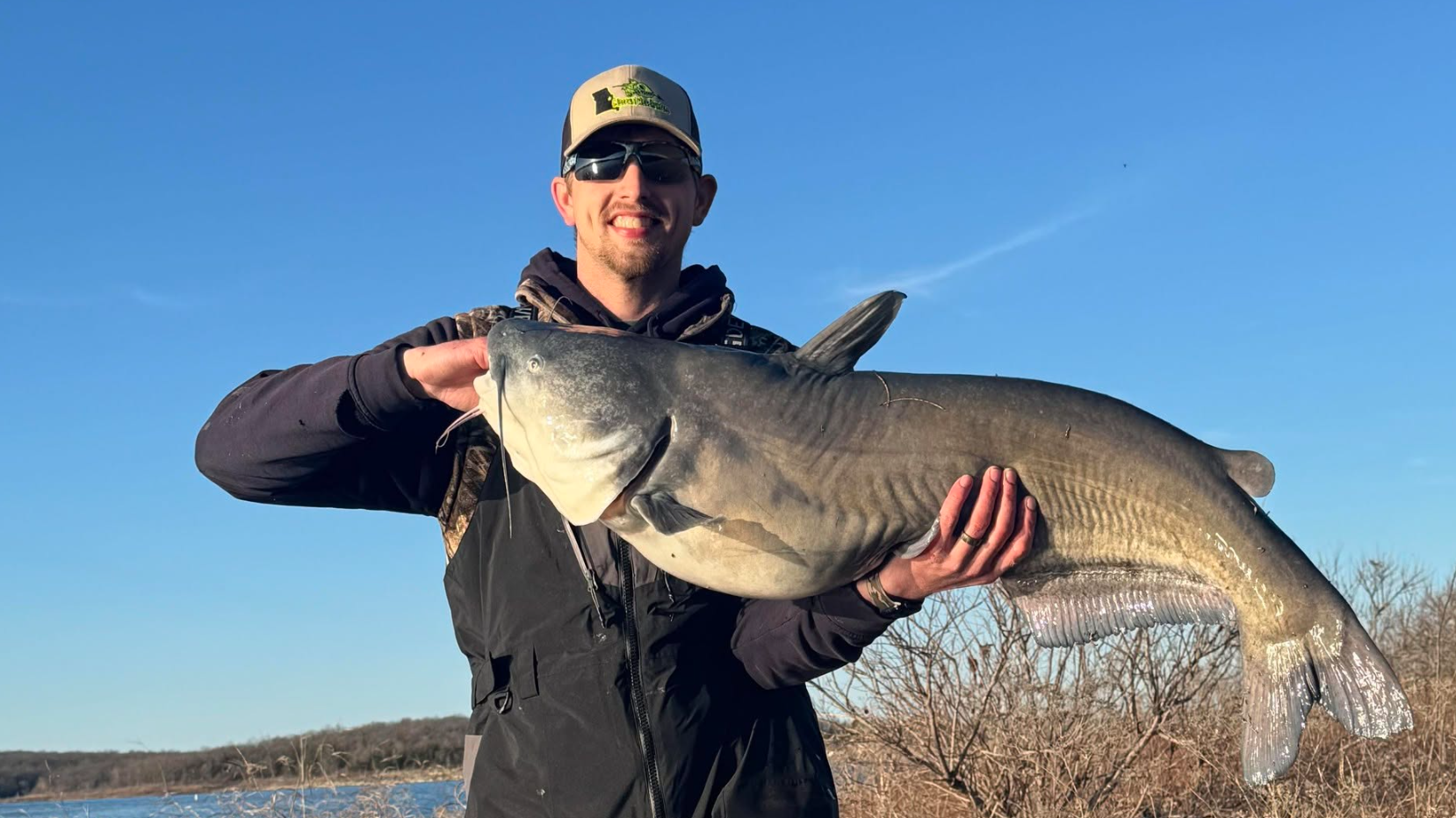
Guided Fishing Catch at Lake of the Ozarks Warsaw MO
Fishing at Lake of the Ozarks - What to Expect
%2F%2Fusers%2F7a0f39b1-1fe0-495b-874f-672739fdcbc0%2Fimages%2Fwarsaw-mo-fishing-catch-display-2806.jpg&w=1920&q=75)
Guided Fishing Activity Trip by Guide Joshua Oetterer in June
Meet your Guide Joshua Oetterer
- Missouri Fishing & Kansas Pheasant Hunting Guides


Summary
This guided fishing activity trip on Sunday, May showcases a successful catch display at Lake of the Ozarks near Warsaw, MO. Joshua Oetterer of Fins & Feathers Guide Service demonstrates the diversity of fish species available in this productive fishery, reflecting the expertise and local knowledge that define quality guided fishing experiences.
Guided Fishing with Joshua Oetterer - Rates & Booking
Guide Joshua Oetterer of Fins & Feathers Guide Service operates guided fishing activity trips on Lake of the Ozarks near Warsaw, MO. These trips provide access to one of Missouri's premier fishing destinations with professional guidance and local expertise. Whether you're targeting multiple species or looking to improve your fishing skills, a guided trip with an experienced local guide maximizes your time on the water and increases your chances of success. Contact Fins & Feathers Guide Service to learn about current rates, availability, and booking options for your guided fishing adventure.
Highlights of Lake of the Ozarks Guided Fishing
Lake of the Ozarks stretches across central Missouri and offers exceptional variety in fish species and fishing opportunities. The lake's diverse structure, including rocky points, submerged timber, and deep channels, creates ideal habitat for multiple species throughout the year. A successful guided fishing trip often yields diverse catches, as shown in this display, which reflects the abundance available to anglers who fish with experienced guides who understand seasonal patterns, productive locations, and effective techniques.
The experience of landing multiple species during a single outing provides both excitement and educational value. Guides teach anglers how different species behave in various water conditions, how to read the environment, and which techniques work best for specific targets. This hands-on learning transforms a fishing trip from a simple outing into a skill-building experience that anglers can apply on future trips.
Local Fishing Experience at Lake of the Ozarks
Lake of the Ozarks presents unique fishing characteristics shaped by its geography and seasonal cycles. The lake's clear to moderate water clarity, variable depths, and abundant structure create conditions where anglers need to adapt their approach based on time of year, weather, and water temperature. Spring fishing, like the May timeframe of this trip, brings active feeding periods as water temperatures rise and fish move into shallower areas for spawning activities.
The presence of multiple fish species in this catch display illustrates the lake's biological diversity. Different species occupy different niches in the ecosystem - some prefer shallow rocky areas, others suspend in deeper water, and some hold around submerged wood. Understanding these habitat preferences helps guides position boats effectively and select appropriate techniques for each target species.
Guided fishing trips provide structure that casual anglers often lack. A professional guide knows the specific locations where fish congregate during different seasons, understands how weather and barometric pressure affect feeding behavior, and can teach techniques that increase success rates. The educational component transforms the experience from simply catching fish into understanding why and how fish behave the way they do.
The image captures the tangible results of effective guided fishing - a diverse collection of fish that represent successful execution of location selection, technique, and timing. For anglers considering whether to book a guided trip, results like these demonstrate the value of professional guidance. Guides invest years learning the water, studying fish behavior, and developing skills that translate into better days on the water for their clients.
Lake of the Ozarks' size and complexity make local expertise particularly valuable. The lake contains numerous creek arms, submerged roads, old building foundations, and rock formations - some visible and some not. Guides maintain knowledge of these features and understand which hold fish during different conditions. This local knowledge eliminates much of the trial-and-error that independent anglers face and focuses fishing effort on productive areas.